
LASIK Surgery FAQs
LASIK Surgery FAQs
- posted: Jun. 26, 2025
LASIK Surgery FAQs from an Ophthalmologist Near You
If you wear glasses or contact lenses, you’ve probably heard about LASIK. It’s one of the most well-known procedures for correcting vision, but with that popularity comes a lot of questions. At Eye Associates, your ophthalmologist in San Antonio, TX, Boerne, TX, and Kerrville, TX, we can help many patients navigate the decision-making process when considering LASIK. Whether you're just starting to explore the idea or you're already weighing the pros and cons, here are answers to some of the most common questions we might hear about this eye surgery.
What Is LASIK Surgery?
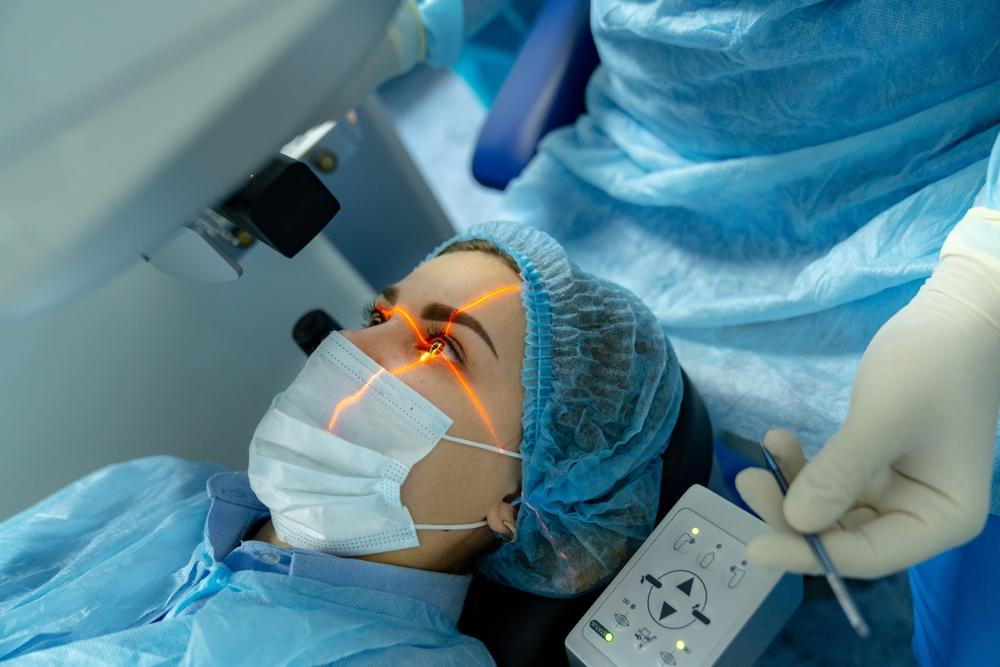
LASIK stands for Laser-Assisted In Situ Keratomileusis. It’s a type of refractive eye surgery used to correct common vision problems like nearsightedness, farsightedness, and astigmatism. The procedure involves reshaping the cornea—the clear front surface of the eye—so that light entering the eye focuses more accurately on the retina.
Am I a Good Candidate for LASIK?
Most people with stable vision, good overall eye health, and realistic expectations are good candidates for LASIK. You must be at least 18 years old and have had a consistent vision prescription for at least a year. However, certain conditions—like dry eye, thin corneas, or autoimmune disorders—may affect eligibility.
Is LASIK Painful?
During the procedure, patients are awake but receive numbing eye drops to prevent pain. You may feel slight pressure or a mild sensation, but the process is usually quick and comfortable. After surgery, it’s common to experience some dryness or irritation for a day or two, similar to having an eyelash in your eye.
What Is the Recovery Like?
Most people notice a significant improvement in vision within 24 hours, though it can take a few weeks for vision to fully stabilize. During recovery, you’ll be asked to avoid rubbing your eyes, swimming, or doing any strenuous activity for a short period. Eye drops and follow-up appointments can help ensure everything is healing properly. The majority of patients return to work and daily routines within a day or two.
How Long Do Results Last?
LASIK results are typically long-lasting, especially if your vision was stable before surgery. That said, natural age-related changes—like presbyopia, which affects close-up vision—can still occur later in life.
Visit Us for Eye Surgery, LASIK, and Eye Care from an Ophthalmologist / Eye Doctor Near You
Deciding on LASIK is a personal choice, and it’s important to feel fully informed. At Eye Associates, your ophthalmologist in San Antonio, TX, Boerne, TX, and Kerrville, TX, we take the time to walk through each step with you, from evaluation to follow-up. If you’re ready to find out whether LASIK can help simplify your vision needs, we’re ready to help guide you. Call us at (210) 340-1212, (210) 617-7396, (830) 248-1222, or (830) 792-4466 for eye surgery, LASIK, and eye care from an ophthalmologist / eye doctor near you.
LASIK Surgery FAQs
- posted: Jun. 26, 2025
LASIK Surgery FAQs from an Ophthalmologist Near You
If you wear glasses or contact lenses, you’ve probably heard about LASIK. It’s one of the most well-known procedures for correcting vision, but with that popularity comes a lot of questions. At Eye Associates, your ophthalmologist in San Antonio, TX, Boerne, TX, and Kerrville, TX, we can help many patients navigate the decision-making process when considering LASIK. Whether you're just starting to explore the idea or you're already weighing the pros and cons, here are answers to some of the most common questions we might hear about this eye surgery.
What Is LASIK Surgery?
LASIK stands for Laser-Assisted In Situ Keratomileusis. It’s a type of refractive eye surgery used to correct common vision problems like nearsightedness, farsightedness, and astigmatism. The procedure involves reshaping the cornea—the clear front surface of the eye—so that light entering the eye focuses more accurately on the retina.
Am I a Good Candidate for LASIK?
Most people with stable vision, good overall eye health, and realistic expectations are good candidates for LASIK. You must be at least 18 years old and have had a consistent vision prescription for at least a year. However, certain conditions—like dry eye, thin corneas, or autoimmune disorders—may affect eligibility.
Is LASIK Painful?
During the procedure, patients are awake but receive numbing eye drops to prevent pain. You may feel slight pressure or a mild sensation, but the process is usually quick and comfortable. After surgery, it’s common to experience some dryness or irritation for a day or two, similar to having an eyelash in your eye.
What Is the Recovery Like?
Most people notice a significant improvement in vision within 24 hours, though it can take a few weeks for vision to fully stabilize. During recovery, you’ll be asked to avoid rubbing your eyes, swimming, or doing any strenuous activity for a short period. Eye drops and follow-up appointments can help ensure everything is healing properly. The majority of patients return to work and daily routines within a day or two.
How Long Do Results Last?
LASIK results are typically long-lasting, especially if your vision was stable before surgery. That said, natural age-related changes—like presbyopia, which affects close-up vision—can still occur later in life.
Visit Us for Eye Surgery, LASIK, and Eye Care from an Ophthalmologist / Eye Doctor Near You
Deciding on LASIK is a personal choice, and it’s important to feel fully informed. At Eye Associates, your ophthalmologist in San Antonio, TX, Boerne, TX, and Kerrville, TX, we take the time to walk through each step with you, from evaluation to follow-up. If you’re ready to find out whether LASIK can help simplify your vision needs, we’re ready to help guide you. Call us at (210) 340-1212, (210) 617-7396, (830) 248-1222, or (830) 792-4466 for eye surgery, LASIK, and eye care from an ophthalmologist / eye doctor near you.
We are here to help.
Locations
San Antonio
5430 Fredericksburg Road
San Antonio, TX 78229